Site Credits
Design: strom.works
Development: IntelligentWP
Hosting: Intelligent Hosting
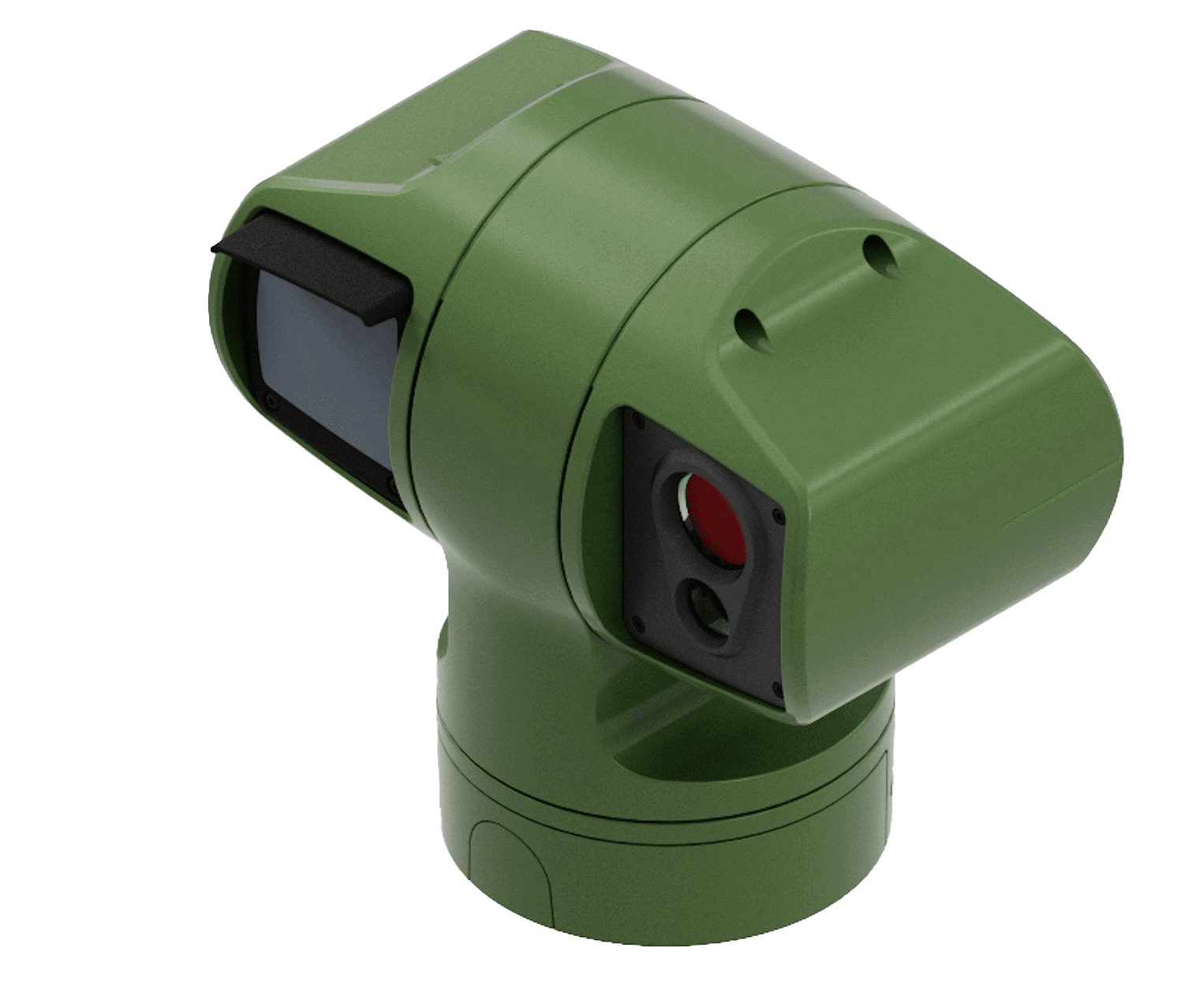
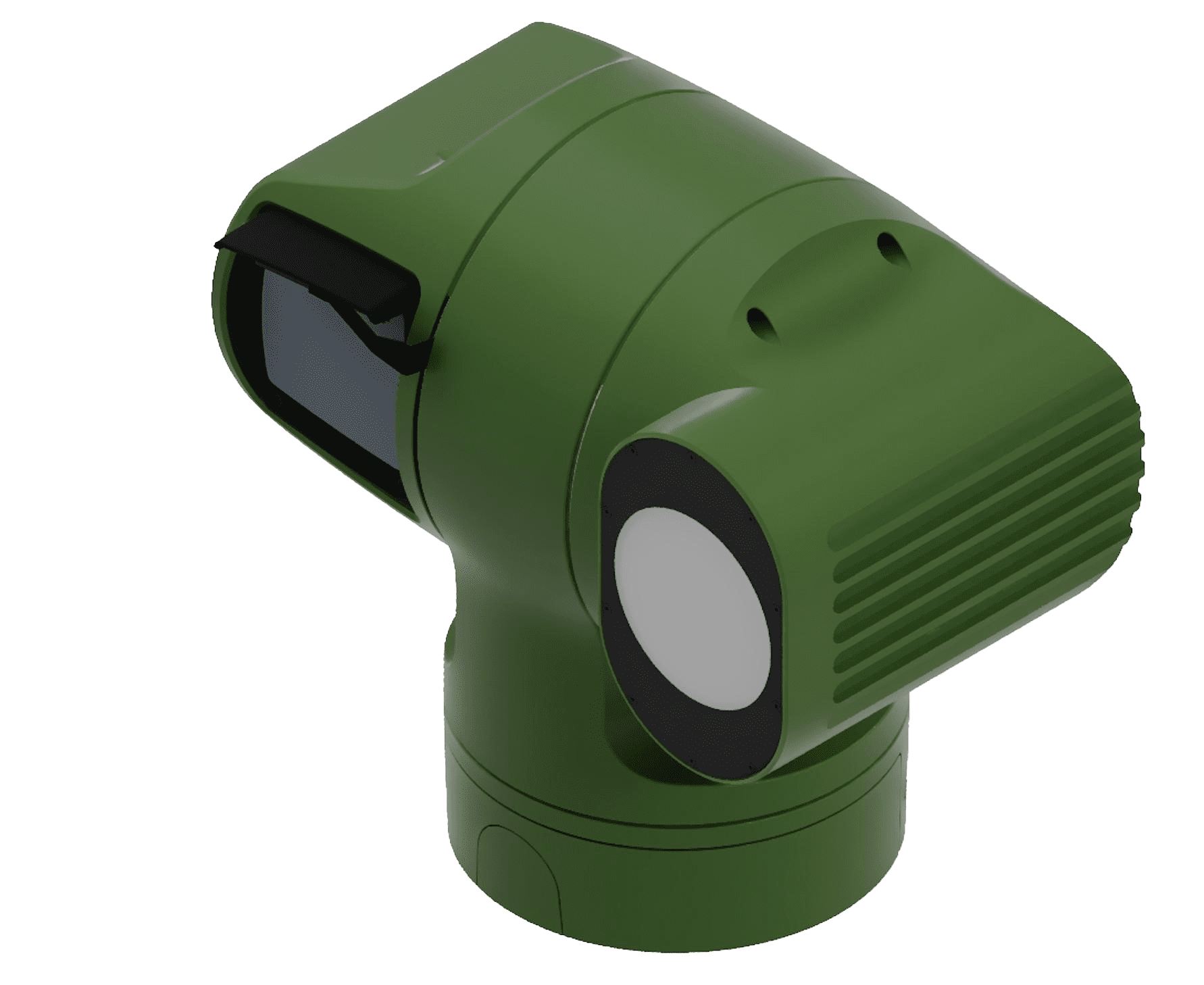
Wiseled's W-Q62 CIP configuration delivers optical identification, active IR illumination, white light deterrence, laser dazzle and range-finding capability within integrated critical infrastructure protection architectures.
Critical infrastructure – energy generation and distribution, water, transport, communications – presents a specific protection challenge. These are predominantly privately owned assets providing government-critical services, operating at scale across large and often remote sites. The threat picture has shifted: state and near-state actors now regularly target infrastructure that was previously considered below the threshold of deliberate attack.
The consequence is that protection requirements for these sites now exceed what standard commercial security provision can deliver, while remaining distinct from full military-specification procurement in terms of procurement process, budget and regulatory environment.
Wiseled’s W-Q62 CIP configuration is designed for this gap. It provides optical identification, active deterrence and precise target ranging as a defined hardware layer within integrated CIP architectures – adding the capabilities that radar and thermal detection systems cannot deliver on their own.
Mature CIP deployments typically combine wide-area radar coverage with thermal imaging for perimeter detection. These layers perform well at their primary function: detecting that something is present. They do not, on their own, support the identification and deterrence functions that a credible CIP response requires.
Radar provides accurate tracking data but no visual identification. Thermal imaging confirms presence and approximate classification but does not deliver the image quality needed for positive identification at range, particularly in darkness. And neither layer provides any active deterrence capability.
The gap between detection and response – the ability to identify a confirmed threat positively and initiate a proportionate deterrence action before escalating to physical intervention – is where the W-Q62 CIP configuration operates.
The W-Q62 CIP configuration is designed to integrate within layered CIP sensor and C2 architectures. The table below shows a representative integration with Terma’s CIP platform, illustrating how each layer contributes to a complete detect-identify-deter capability:
| Layer | Function | Component |
|---|---|---|
| Wide-area detection | All-weather radar detection of ground and airborne targets | SCANTER radar |
| Situational awareness and C2 | Sensor fusion, automated alerting and operator display | T.react CIP |
| Passive optical and thermal | Continuous no-light detection and initial classification | Q62 thermal channel |
| Active optical identification | Positive visual identification at range in darkness | W-Q62 with Wiseled IR illumination |
| Deterrence | Non-lethal warning and response | Wiseled high-output white light, green laser dazzler |
| Range measurement | Accurate target ranging for threat assessment and response coordination | Laser range finder |
Wiseled’s contribution spans the active optical identification and deterrence rows. The radar and C2 layers are provided by integration partners including Terma, whose T.react CIP platform and SCANTER radar family are established across more than 500 critical infrastructure facilities worldwide.
Positive identification of a confirmed intruder – sufficient to determine intent, number and equipment – requires optical image quality that passive thermal imaging cannot consistently deliver at the ranges relevant to large-site CIP deployments.
Wiseled’s focusable IR illumination extends the Q62’s optical identification capability into complete darkness, with the illumination beam tracking the PTZ zoom state to maintain consistent target coverage as the system closes range on a cued contact. The 940 nm wavelength used for CIP applications minimises the visible signature of the illumination source while maximising sensor performance – reducing the risk of alerting the subject that active optical monitoring is in progress.
The thermal channel provides continuous passive monitoring between cued events, ensuring that illumination is not required for detection and is only activated when identification is needed.
The W-Q62 CIP configuration includes three active deterrence options, selectable independently and operable manually or on automated trigger.
These options support a graduated deterrence model: IR surveillance as the default monitoring mode, white light as a first warning activation, and laser dazzle for targeted deterrence of confirmed threats where white light alone is insufficient. The escalation sequence can be pre-programmed as part of the site’s standard operating procedure or managed by a control room operator.
Accurate target ranging supports two functions in a CIP context: threat assessment and response coordination. Knowing the precise distance to a confirmed intruder allows the operator to assess the time available before the subject reaches a protected zone, and to provide accurate location data to a physical response team.
The integrated laser range finder provides this data directly within the W-Q62 sensor picture, without requiring a separate ranging system or manual estimation. Range data can be passed to integrated C2 systems for automated alerting and display.
The W-Q62 CIP configuration is suited to fixed and semi-permanent installations at high-value infrastructure sites.
The configuration supports both new-build CIP deployments and the capability enhancement of existing installations where detection infrastructure is in place but identification and deterrence capability is absent or limited.