Site Credits
Design: strom.works
Development: IntelligentWP
Hosting: Intelligent Hosting
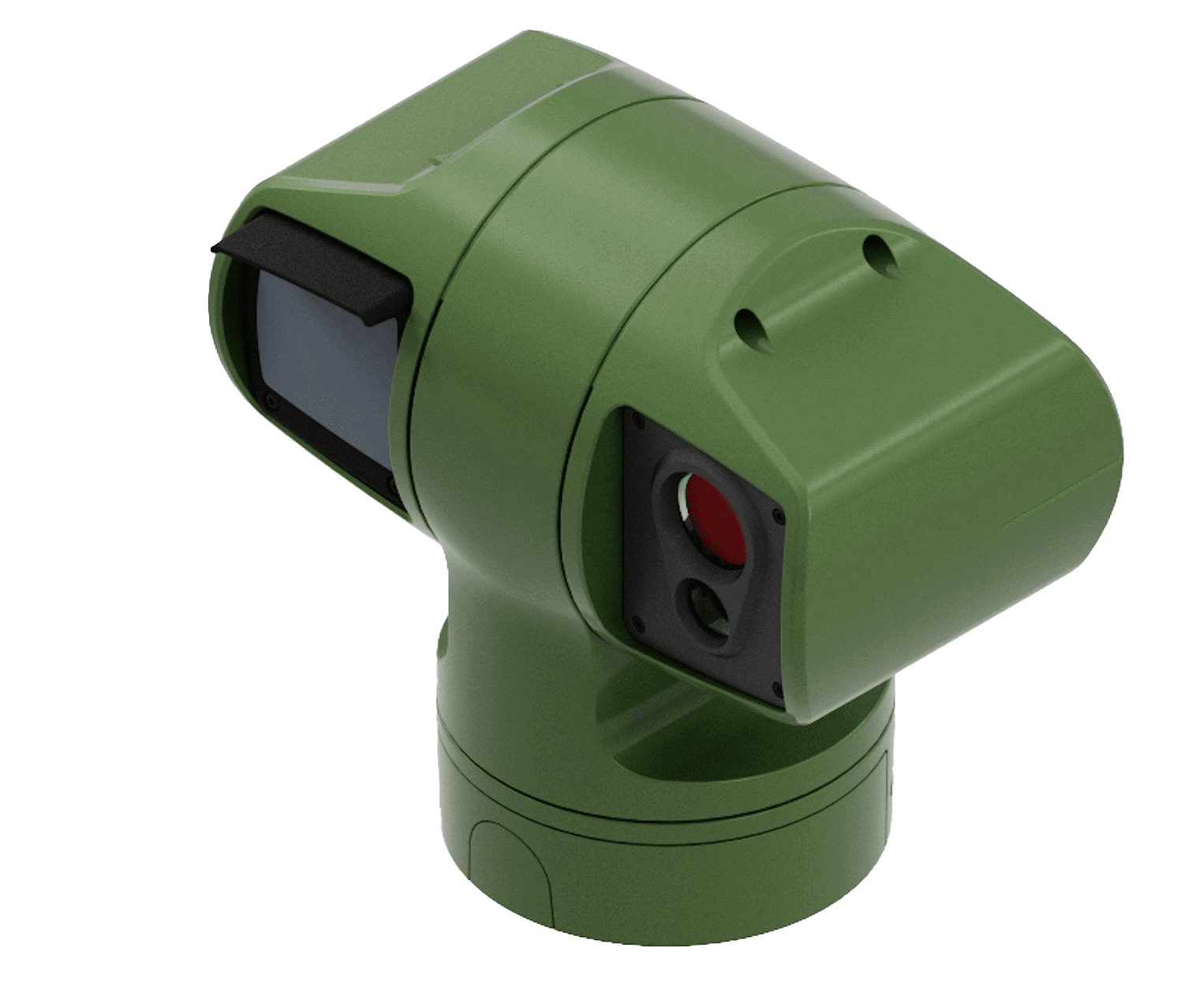
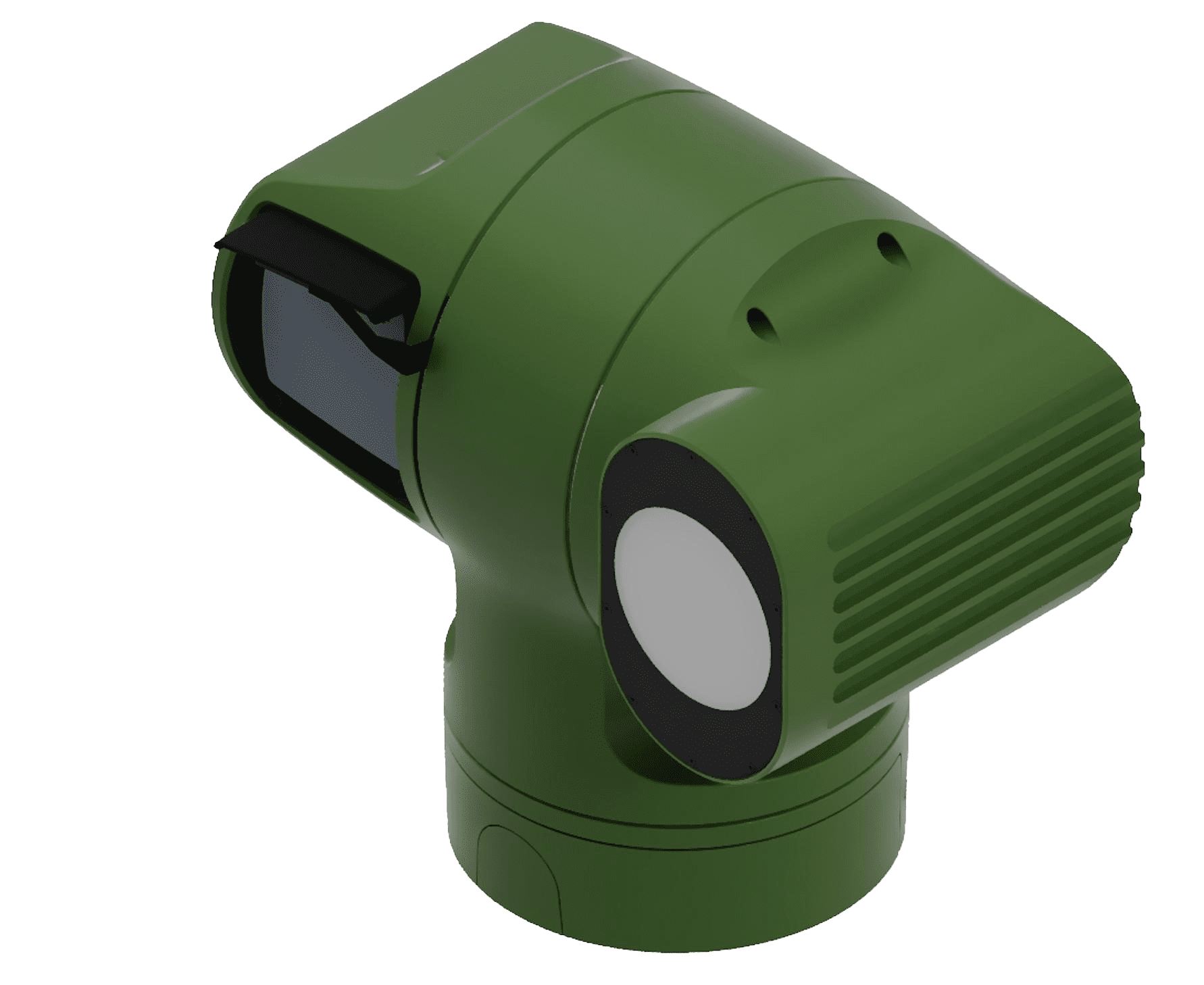
Wiseled’s W-Q62 counter-UAS configuration combines the Axis Q62 multi-sensor PTZ with precision IR illumination and AI-based optical detection software — delivering cost-effective, passive-plus-active UAS detection for defence and security applications.
Effective optical counter-UAS detection requires two things the standard Q62 cannot reliably deliver alone: the ability to classify small UAS targets at extended range in low-light conditions, and the AI processing capability to distinguish drone signatures from background clutter such as birds, insects and moving vegetation.
The Wiseled W-Q62 counter-UAS configuration addresses both constraints. Precision IR illumination extends the Q62’s optical classification range into darkness without active visible signature. AI-based detection and classification software provides library-less, automated target discrimination – cueing the PTZ to engage and track confirmed UAS contacts autonomously.
The result is a passive-plus-active optical detection system that operates continuously, day and night, without the licensing constraints, radio frequency interference risks or regulatory complexity of RF-based detection approaches.
Small UAS targets present a difficult optical detection problem. They are fast, low-observable and increasingly operate in environments — urban areas, infrastructure perimeters, mixed airspace – where background clutter is high and false-positive rates from motion-based detection are significant.
Standard camera-based approaches perform adequately in daylight with clear backgrounds. In low-light conditions, or against complex backgrounds, optical detection rates drop and operator workload increases sharply. IR illumination recovers optical performance in darkness. AI-based classification handles the discrimination problem across all conditions – including novel or modified UAS types not present in traditional signal libraries.
The W-Q62 counter-UAS configuration integrates hardware and software components into a coherent detect-track-identify chain:
| Component | Role in Detection Chain |
|---|---|
| Optical zoom channel (Q62) | Wide-area continuous monitoring; initial detection of airspace activity |
| Thermal channel | Passive detection in low-light and no-light conditions; complements optical in degraded visibility |
| Wiseled IR illumination | Active near-infrared illumination enabling optical classification at extended range in darkness |
| AI classification software | Library-less detection, classification and tracking of UAS targets; slew-to-cue cueing for PTZ |
| PTZ control | Automated zoom and pan-tilt response to cued track data; sustained target engagement |
Thermal imaging provides passive detection in darkness but has limitations for classification at range – small UAS targets produce limited thermal contrast against ambient sky temperature, particularly at altitude. Optical classification at range requires active illumination.
Wiseled’s IR illuminators provide near-infrared illumination that is invisible to the naked eye and to standard visible-band sensors, preserving low-observable operation while enabling the Q62’s optical channel to classify targets at distances that thermal alone cannot reliably support. The zoomable illumination pattern tracks with the PTZ zoom state, maintaining consistent target illumination as the system engages a cued contact.
940 nm wavelength illumination is used as standard for C-UAS applications, minimising detection by image-intensified night vision equipment while maximising performance on the Q62’s CMOS sensor.
The W-Q62 counter-UAS configuration integrates with AI-based optical detection software that provides automated, library-less UAS classification. Unlike RF-based detection systems that rely on signal libraries to match known drone platforms, optical AI classification works from visual and thermal signature data — making it effective against modified, custom-built and previously unseen UAS types.
The W-Q62 counter-UAS configuration integrates with AI-based optical detection software that provides automated, library-less UAS classification. Unlike RF-based detection systems that rely on signal libraries to match known drone platforms, optical AI classification works from visual and thermal signature data — making it effective against modified, custom-built and previously unseen UAS types.
Military-specification EO/IR C-UAS systems carry procurement and sustainment costs that place them beyond reach for many security operators, infrastructure owners and lower-tier defence programmes. The W-Q62 counter-UAS configuration is designed to deliver operationally credible optical detection capability at a cost point accessible to a wider range of procurement budgets – without compromising on the AI classification performance that determines system effectiveness.
The Q62 platform is widely supported, well-understood by integrators and available through established supply chains. Wiseled’s illumination and the AI software layer are the value-adding components that make it a serious C-UAS sensor rather than a standard security camera.